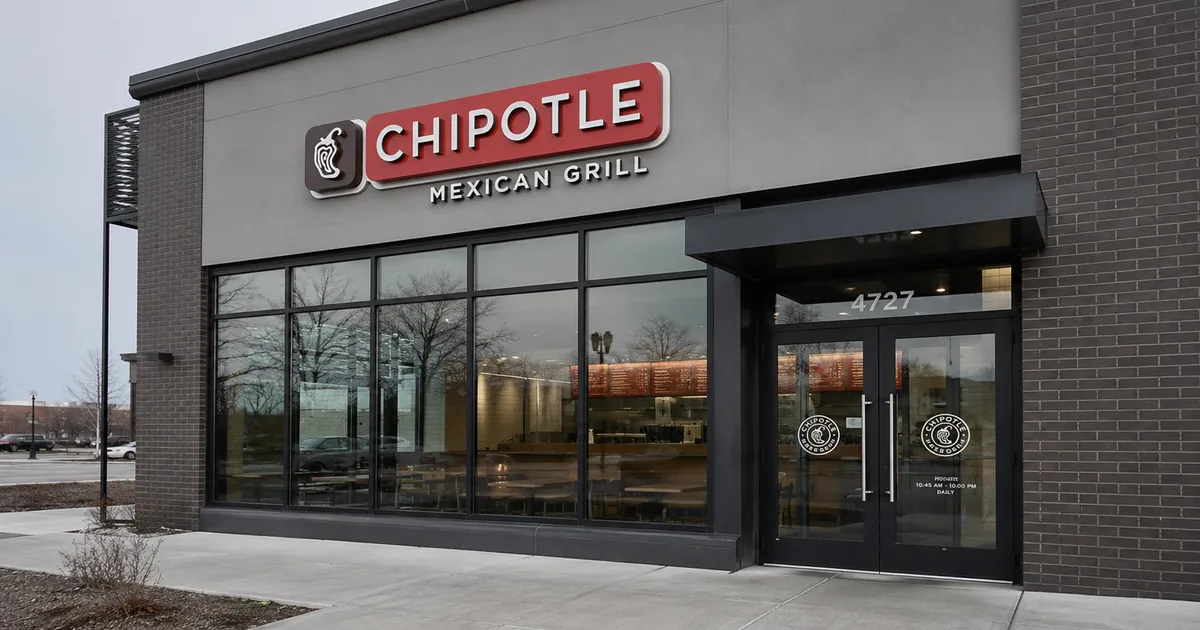
Chipotle pulled jalapeños from restaurants in Minnesota this week after state health officials flagged a possible connection to a salmonella outbreak. The stock fell close to 9%, wiping out the gains it had built at the end of July. Nobody has established that Chipotle caused anything.
That gap, between an unconfirmed link and a nine percent move, is the actual story. Investors are not pricing this outbreak. They are pricing the last five.
What Health Officials Have
The Minnesota Department of Health has identified 110 cases of salmonella javiana. Of the 84 patients interviewed so far, close to 90% reported eating at Chipotle between mid-June and July. That is a strong epidemiological signal and it is not the same thing as a confirmed source. Investigators still have to trace the product back through the supply chain and, ideally, match a sample.
Chipotle’s response was fast and carefully worded. It removed the jalapeños, replaced them with product from different growers, and said it acted out of an abundance of caution. The company has not been officially linked to the outbreak, and its statement is engineered to keep that distinction alive.
Worth noting what the suspected vehicle is. Jalapeños are a purchased produce item, not something Chipotle manufactures, which means the likeliest version of this story ends at a grower or a processor rather than in a restaurant kitchen. That distinction will matter enormously to liability and almost not at all to the share price.
Why The Market Did Not Wait
Between 2015 and 2018 Chipotle worked through at least five separate foodborne illness events. The 2015 E. coli outbreak took roughly a year of comparable sales with it and forced a full rebuild of the company’s food-safety protocol, its supply chain and eventually its management.
That history is why the stock is quoted as a food-safety risk asset rather than a restaurant. Traders holding the shares are not evaluating the Minnesota investigation on its merits. They are running a much simpler pattern match: outbreak headline, Chipotle name, sell first and read the epidemiology later. The reaction function is faster than the science and it is supposed to be, because the cost of being late on this specific name has already been demonstrated once.
The Number That Decides This
Watch traffic, not headlines. The variable that turned 2015 into a lost year was not the outbreak itself but the durable decline in visits afterward, particularly among the higher-frequency customers who anchor the model.
Chipotle enters this one from a weaker position than it would like. The chain has spent the past several quarters defending traffic against genuine consumer spending strain, and its price point sits in the part of the market where a customer with a reason to hesitate has plenty of cheaper alternatives. A food-safety scare landing on top of value fatigue is a worse combination than either alone.
Two things would contain it. A quick supplier attribution that moves the story off Chipotle’s brand, and no expansion of the case count beyond Minnesota. Two things would make it much worse: cases appearing in a second state, or a lab match tying the pathogen to product served rather than product sourced.
What Management Has To Do Now
The playbook is known because Chipotle wrote it the hard way. Move faster than the health department, over-disclose, absorb the near-term cost, and do not let a lawyer’s phrasing become the story. The company has done the first three this week.
The harder task is the one that does not show up in a press release. Chipotle’s entire post-2018 recovery rested on convincing people that the food-safety era was closed. Every new outbreak headline, confirmed or not, reopens a question the company spent nearly a decade and a full management change answering. A 9% drawdown on an unconfirmed link is the market telling you that the answer never fully stuck.
For now the burden of proof is running the wrong direction for the company. Chipotle has to demonstrate it was not the source, and the investigation moves on the health department’s timeline, not the market’s.