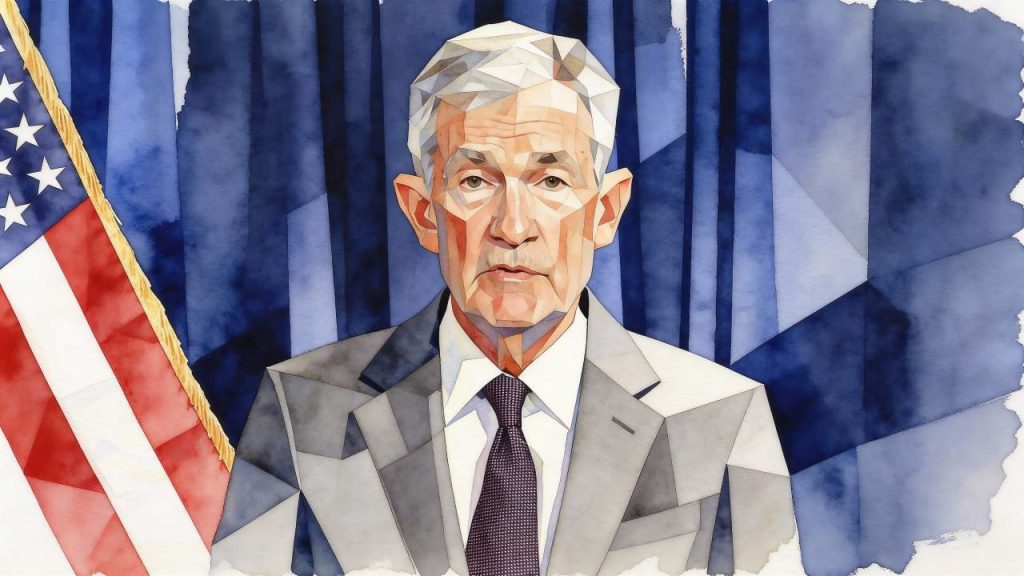
The Department of Justice has launched a criminal investigation into Federal Reserve Chair Jerome Powell, a stunning escalation in the Trump administration’s campaign against the central bank that sent markets reeling and triggered immediate bipartisan backlash on Capitol Hill.
Powell disclosed the probe himself, revealing that the Fed has received subpoenas and that administration officials have threatened him with criminal indictment. Treasury yields jumped and Dow futures dropped more than 300 points on the news, a market reaction that underscores just how seriously investors are taking this assault on Fed independence.
What Exactly Is the DOJ Investigating?
Details remain murky, which is part of the point. According to reports from The New York Times, the investigation appears to center on Powell’s congressional testimony, though prosecutors have not publicly articulated what laws they believe were violated. The vagueness is the weapon.
Powell has been the target of sustained pressure from President Trump, who has repeatedly called for lower interest rates and suggested the Fed chair is deliberately undermining his economic agenda. The criminal probe represents a new chapter in that conflict, one that crosses lines previous administrations carefully avoided.
The chair’s response was direct. He won’t bow to intimidation, he told reporters, and he intends to serve out his term. Powell’s current term as Fed chair runs until May 2026, though his seat on the Board of Governors extends to 2028.
Markets React to the Fed Independence Question
Wall Street understood the message immediately. The dollar weakened, Treasury yields spiked, and futures suggested a rough open for equities. Investors have been pricing in elevated uncertainty since Trump’s aggressive use of executive power across multiple sectors, but attacking the Fed represents a different category of risk entirely.
Central bank independence isn’t just a governance nicety. It’s the foundation of global confidence in the dollar and U.S. Treasury securities. When investors believe political pressure can influence monetary policy, they demand higher yields to compensate for the added uncertainty. That makes borrowing more expensive for everyone, from the federal government to homebuyers.
CNBC analysts drew a pointed comparison to tactics used in Venezuela under Nicolás Maduro, where the central bank became an arm of the executive. One analyst called it a “Maduro warning” designed to show Powell what happens to officials who defy the White House.
Bipartisan Backlash Emerges in Congress
The investigation immediately drew fire from lawmakers in both parties. Senator John Kennedy, a Republican from Louisiana and member of the Banking Committee, announced he would refuse to confirm any Federal Reserve nominees until the probe is resolved. That’s a significant roadblock for an administration that may want to reshape the central bank’s leadership.
Democrats were predictably critical, calling the investigation an abuse of prosecutorial power. But the Republican pushback matters more for the administration’s calculations. If enough GOP senators view this as overreach, it constrains what the White House can accomplish at the Fed even if Powell ultimately leaves.
The political calculus here is complicated. Voters generally hold the president responsible for the economy, regardless of Fed policy. If the investigation damages market confidence and triggers a selloff or recession, that blowback lands on Trump’s desk.
What This Means for Rate Policy
The Fed has been navigating a tricky environment, balancing persistent inflation concerns against signs of economic cooling. Powell and his colleagues have signaled they’re data-dependent, waiting for clearer evidence before adjusting rates further.
The question now is whether the investigation changes that calculus. If the Fed cuts rates under pressure, it validates the administration’s tactics and invites more interference. If it holds firm or raises rates, it risks being portrayed as politically motivated in the opposite direction.
The safest path is probably what Powell has already signaled: continue making decisions based on economic data while publicly refusing to acknowledge the investigation as relevant to policy. That’s easier said than done when prosecutors are issuing subpoenas.
Historical Precedent, or Lack Thereof
Presidents have clashed with Fed chairs before. LBJ reportedly once pinned William McChesney Martin against a wall demanding lower rates. Nixon pressured Arthur Burns to ease policy before the 1972 election. Trump himself spent much of his first term criticizing Powell on Twitter.
But criminal investigations are unprecedented. The Fed’s independence has survived generations of political pressure precisely because previous administrations understood that weaponizing law enforcement against the central bank would damage American financial credibility globally. That constraint appears to have been abandoned.
International observers are watching closely. The dollar’s status as the world’s reserve currency depends partly on confidence that U.S. institutions operate beyond political manipulation. If that confidence erodes, the consequences extend far beyond domestic politics.
The Investment Implications
For investors, this development adds another layer of uncertainty to an already complex environment. The immediate market reaction was negative, but the longer-term implications depend on how the situation resolves.
If the investigation is dropped or fizzles without charges, markets may shrug it off as political theater. If it escalates, forcing Powell’s resignation or leading to actual prosecution, the damage to Fed credibility could be lasting. Either way, volatility is likely elevated until there’s more clarity.
Treasury yields and the dollar will be the most sensitive indicators. Options markets are already pricing in elevated uncertainty, and that premium could widen if the confrontation intensifies.
What Happens Next
The investigation is now a fact of life for markets. Powell will likely continue testifying before Congress, releasing FOMC statements, and conducting press conferences while prosecutors examine his words. That creates an unusual spectacle: the nation’s top monetary policymaker operating under criminal investigation from the executive branch he’s supposed to be independent of.
The Fed’s next policy meeting will be watched for any sign that the investigation is influencing decisions. If the committee cuts rates, critics will say it caved to pressure. If it doesn’t, the White House may escalate further. There’s no clean exit from this standoff.
For now, the only certainty is uncertainty. And in financial markets, uncertainty has a price.
