
Table of Contents
AI avatar generators have become the default interface between humans and digital spaces. You see them everywhere: LinkedIn profiles that look suspiciously polished, YouTube channels fronted by hosts who never age, customer service chatbots with faces that almost pass for human. The technology crossed a threshold sometime in late 2025, when most people stopped asking “is that real?” and started asking “which tool made that?”
The shift matters because avatars now do actual work. They’re not decorative. A freelance designer uses one for client calls when she’s sick. A gaming streamer maintains three different personas across platforms. A corporate training program deploys dozens of AI instructors who speak 47 languages. The avatar economy, if you want to call it that, runs on tools that range from $10 subscriptions to enterprise contracts worth six figures.
So which AI avatar generators actually deliver in 2026? I tested eleven platforms over six weeks, measuring them against three criteria that matter: photorealism (can it fool a human viewer?), pricing structure (does it bankrupt you or your business?), and workflow integration (does it play nicely with your existing tools?). Here’s what separates the winners from the pretenders.
The 2026 Avatar Power Rankings: At a Glance
The market for digital twins has fractured into specialized silos. While some platforms chase the ghost of perfect human mimicry, others are leaning into the “useful fiction” of stylized animation or real-time utility. To help you navigate this landscape without getting lost in the marketing jargon, we’ve distilled the top eleven contenders into a definitive comparison. Whether you need a corporate instructor who never blinks, a camera-ready sales rep, or a creative mascot with actual personality, this is how the heavy hitters stack up on the metrics that matter: realism, cost, and the friction of your daily workflow.
The Decisive Decade: Ranking the Top 11 AI Avatar Platforms of 2026
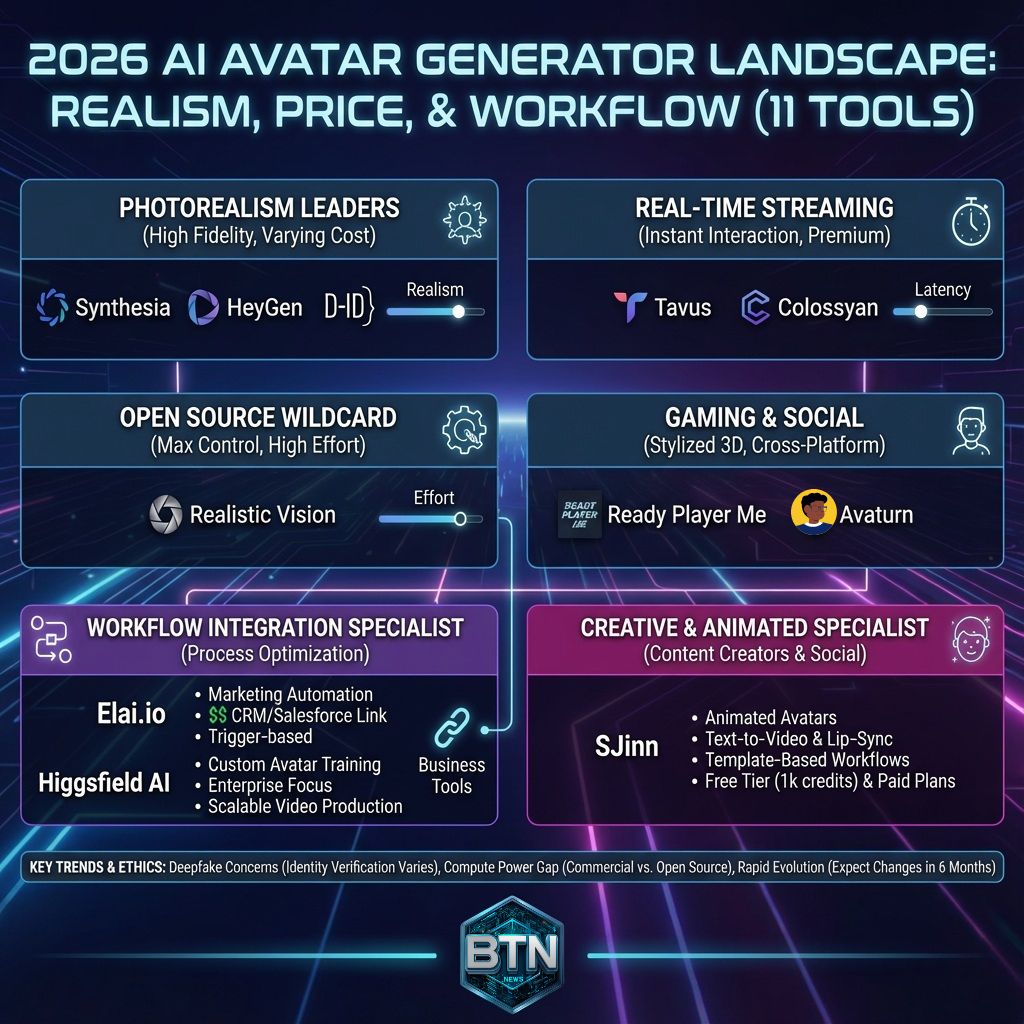
Photorealism Still Separates the Leaders from the Pack
1. Synthesia: The Photorealism Champion
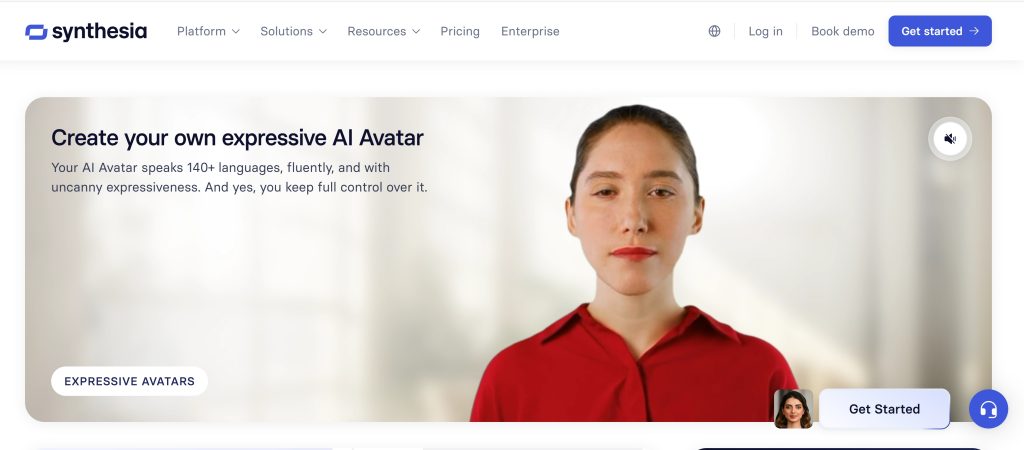
Synthesia leads on pure visual fidelity. Their latest update, which rolled out in December 2025, fixed the “uncanny valley” problem that plagued earlier versions. Eyes now track naturally. Micro-expressions happen at the right moments. Skin texture responds to virtual lighting in ways that suggest the team hired actual cinematographers. The platform generates avatars from 30 seconds of source video, then lets you script them into any scenario. Corporate clients love it: you record yourself once, then your digital twin delivers quarterly reports forever.
But Synthesia costs real money. The professional tier runs $240 monthly, with per-minute rendering fees on top. That pricing makes sense for enterprises producing hundreds of training videos. For solo creators, it’s a brutal calculation.
2. HeyGen: Budget-Friendly Quality
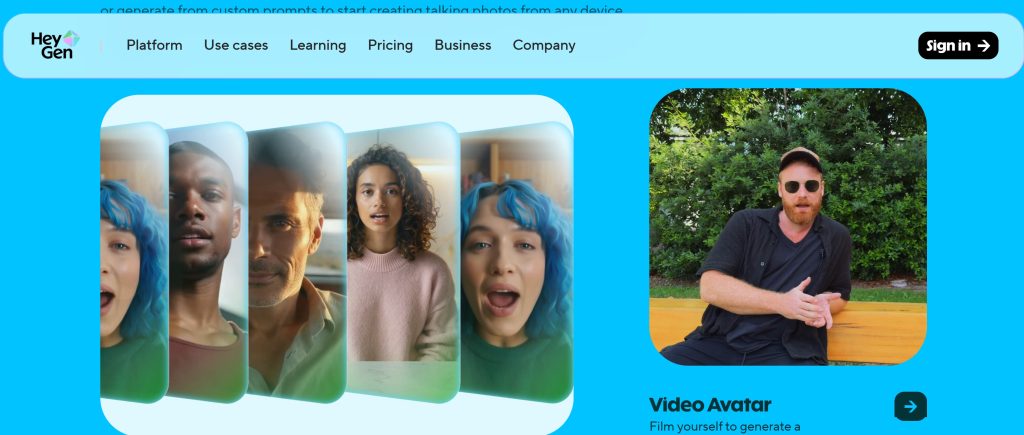
HeyGen sits one tier below on realism but dramatically undercuts on price. Their $29 monthly subscription gives you 15 minutes of avatar generation, which covers most small business needs. The quality gap shows up in extended viewing: after 90 seconds, you notice the avatar’s breathing pattern loops. Blinking happens on a timer rather than naturally. Still, for product demos or short social media clips, HeyGen passes the smell test. Their workflow integration deserves mention too. The platform connects directly to Canva, which means you can generate an avatar, drop it into a presentation template, and export everything without switching applications.
3. D-ID: The Developer’s Choice
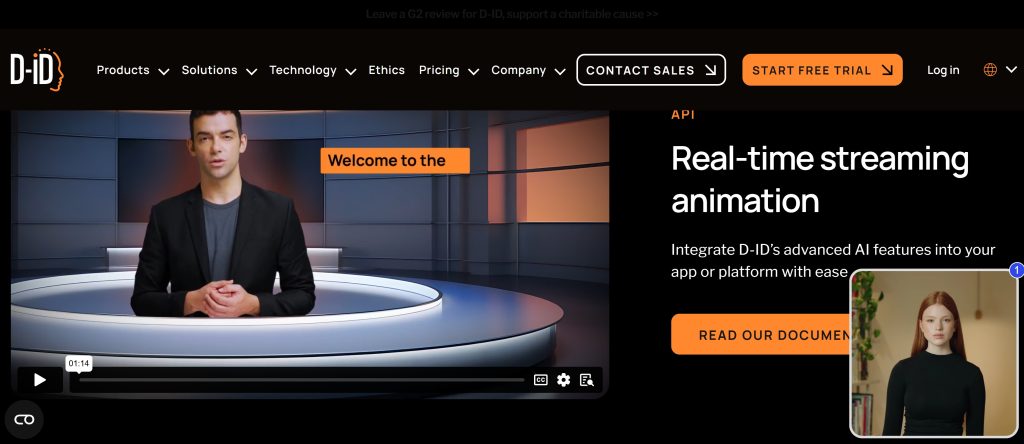
D-ID occupies interesting middle ground. Their “Creative Reality Studio” specializes in bringing still photos to life, turning a single portrait into a talking, gesturing presenter. The realism varies wildly depending on source image quality. Feed it a professional headshot, you get something genuinely impressive. Feed it a grainy Instagram photo, you get a puppet show. Pricing runs $5.90 monthly for 20 credits (roughly 10 minutes of video), which makes D-ID the budget champion. But the platform’s greatest strength is its API. Developers building avatar features into their own applications almost universally choose D-ID because the integration requires maybe three hours of coding.
The Emerging Category: Real-Time Avatar Streaming
Something new happened in 2025 that changes the entire framework. Tools like Tavus and Colossyan shifted from pre-rendered video generation to real-time avatar streaming. You speak into your webcam, and an AI version of you appears on screen instantly, mimicking your movements, facial expressions, and speech with maybe 200 milliseconds of lag.
4. Tavus: Real-Time Video Call Champion
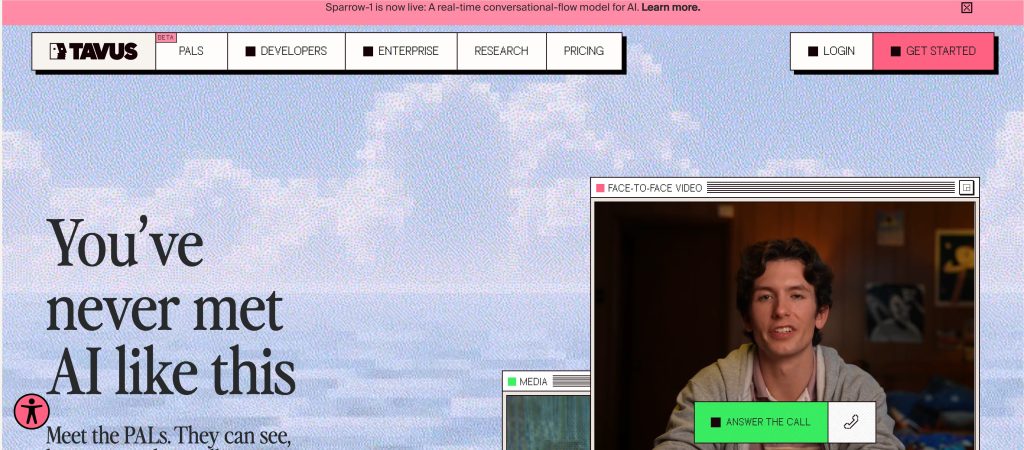
This technology directly threatens the traditional video call. Why show your actual tired face on Monday morning Zoom when your fresh-looking avatar can take the meeting instead? Tavus charges $500 monthly for unlimited streaming, positioning itself toward sales teams and remote workers who live in video calls. The realism doesn’t quite match pre-rendered Synthesia avatars, but the spontaneity makes up for it. You can respond naturally to questions, change topics mid-stream, and interact in ways that scripted avatars cannot.
The workflow fit here matters enormously. Real-time streaming avatars integrate with Zoom, Google Meet, and Microsoft Teams through virtual camera plugins. Installation takes five minutes. Compare that to traditional avatar generation, which requires scripting your content, rendering video (often overnight), then uploading files manually. The time savings alone justify the premium pricing for certain users.
5. Colossyan: Enterprise Learning Specialist
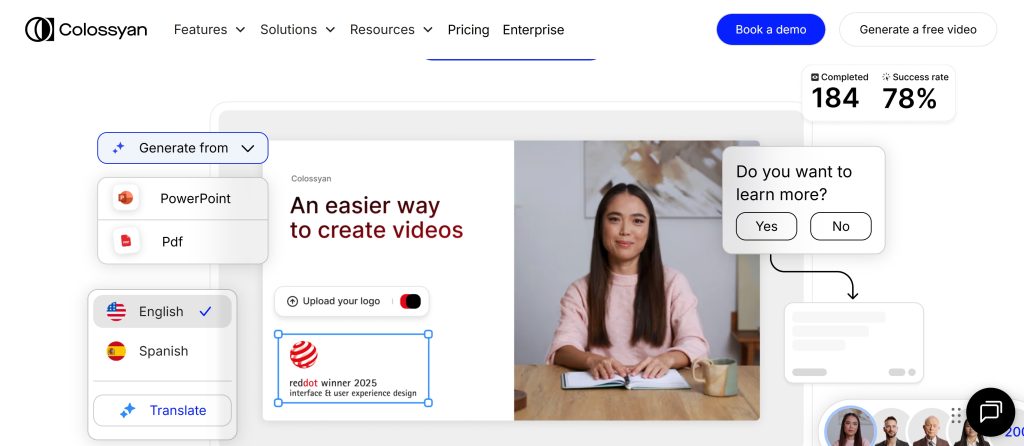
Colossyan takes a slightly different approach, focusing on enterprise learning and development. Their platform combines real-time avatars with automatic translation into 70+ languages. A single training session gets converted into dozens of localized versions, each with an avatar that speaks fluent Mandarin, Spanish, or Arabic. The company doesn’t publish pricing publicly, but industry sources suggest contracts start around $10,000 annually. That’s expensive until you calculate the cost of hiring human translators and video producers for global training programs.
The Open Source Wildcard
6. Realistic Vision: Maximum Control, Maximum Effort
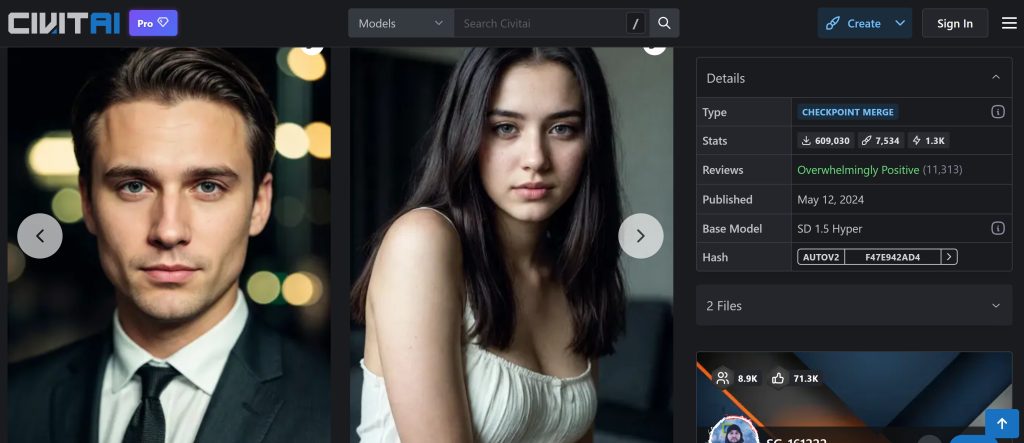
Here’s where things get complicated. Realistic Vision, a Stable Diffusion model fine-tuned for portrait generation, costs nothing. It runs on your local hardware (assuming you have a decent GPU) or through cloud services for a few cents per image. The output quality rivals commercial tools for static images. You can generate hundreds of unique avatar portraits in an afternoon.
But Realistic Vision only produces still images. Converting those into animated, talking avatars requires additional tools and considerable technical skill. You’d need to run the images through separate animation software, sync lips to audio, and render everything together. For technical users with time to invest, this workflow delivers the best realism-per-dollar ratio available. For everyone else, it’s too much friction.
The broader point here connects to recent shifts in AI infrastructure. Computing power increasingly determines who controls AI development, which means the gap between free open source tools and premium commercial platforms keeps widening. Open source gives you raw capability. Commercial platforms give you usability, speed, and support. Which matters more depends entirely on your specific situation.
Gaming and Social Media: Different Priorities
If you’re building avatars for gaming, VR, or social platforms, the previous rankings don’t apply. Tools like Ready Player Me and Avaturn specialize in creating rigged 3D models rather than realistic 2D video avatars. These platforms export to Unity, Unreal Engine, and VRChat with a few clicks.
7. Ready Player Me: Cross-Platform Gaming Standard
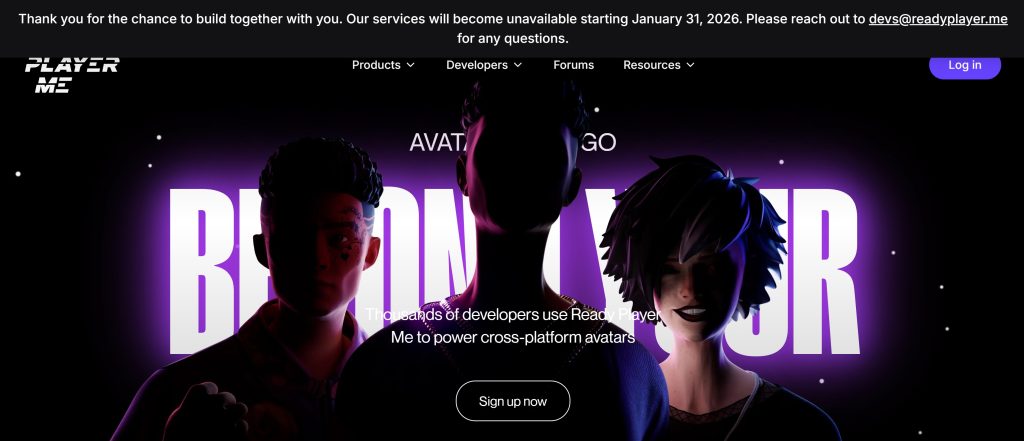
Ready Player Me offers a freemium model: basic avatars cost nothing, premium customization runs $5 per avatar. The realism leans toward stylized rather than photographic, which actually works better for most gaming contexts. Hyperrealistic human avatars in video games trigger uncanny valley responses that stylized models avoid. The platform has become the de facto standard for metaverse and gaming applications, with integrations across thousands of virtual worlds.
8. Avaturn: Full-Body 3D from a Single Photo
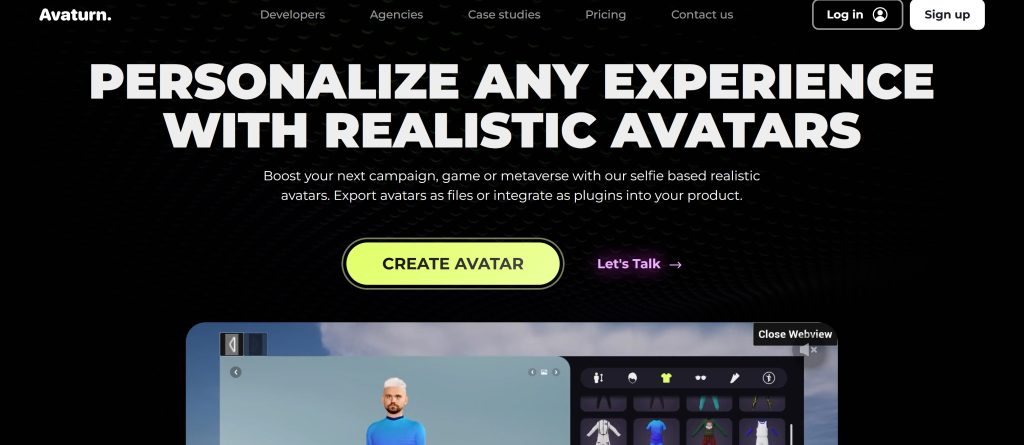
Avaturn generates full-body 3D avatars from a single photo, then lets you customize everything from clothing to animations. The technology feels like magic: you upload a selfie, wait 30 seconds, and get a rigged character model ready for virtual worlds. Pricing runs $20 monthly for unlimited generation. The main limitation is artistic control. You can’t fine-tune bone structure or proportions beyond preset options, which frustrates professional 3D artists but works perfectly for casual users.
The Workflow Integration Specialists
The best avatar generator means nothing if it doesn’t fit your actual process. I watched a marketing team spend $3,000 on Synthesia, generate gorgeous avatars, then abandon the platform after three months because exporting video required too many steps. They switched to HeyGen despite lower visual quality because it connected directly to their content management system.
9. Elai.io: Marketing Automation Powerhouse
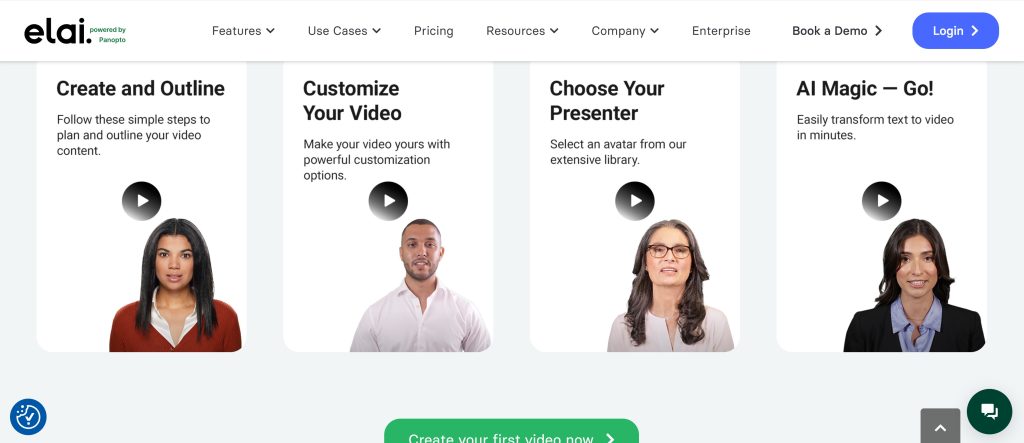
Elai.io deserves mention here specifically for workflow integration. The platform isn’t the most realistic or the cheapest, but it connects to 50+ business tools including Salesforce, HubSpot, and Slack. Marketing teams can trigger avatar video generation directly from their CRM when a lead reaches certain criteria. That automation capability makes Elai’s $99 monthly pricing justifiable for sales operations that would otherwise require dedicated video producers.
10. SJinn: Creative and Animated Avatar Specialist
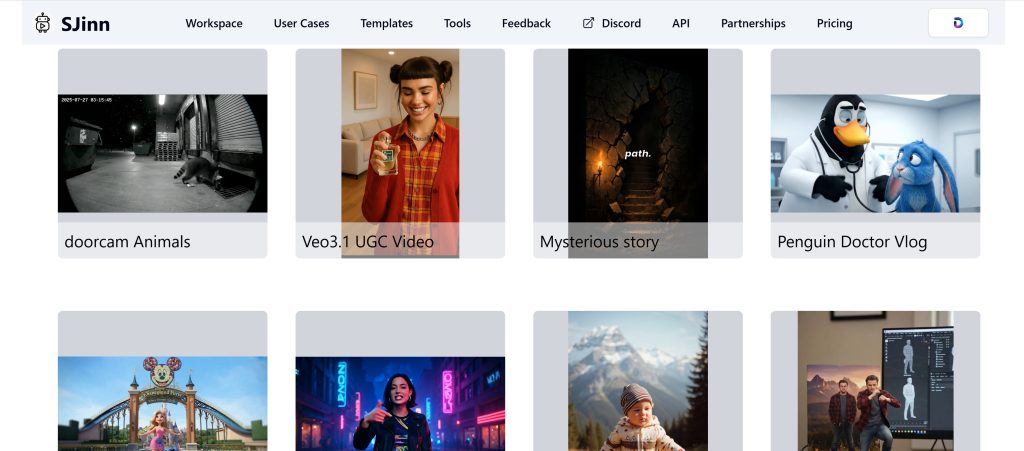
SJinn bridges the gap between photorealistic business avatars and stylized gaming characters, focusing on animated avatars that work perfectly for content creators and social media. The platform excels at generating consistent cartoon-style characters that can interact with real people in videos, making it ideal for YouTube explainers, educational content, and creative projects where you want personality without the uncanny valley effect of hyperrealism.
The platform offers text-to-video generation with avatar lip-syncing, plus template-based workflows for common scenarios like podcast videos and dual-person conversations. You can create characters once and reuse them across multiple scenes, maintaining visual consistency that’s difficult to achieve with other tools. Pricing starts with a free tier offering 1,000 credits, with paid plans scaling based on usage. The sweet spot here is creators who want engaging, animated presenters without investing in traditional animation software or hiring illustrators. The learning curve is minimal, and the template library means you can produce finished videos in under an hour.
11. Higgsfield AI: High-Volume Video And Character Workflows For Social
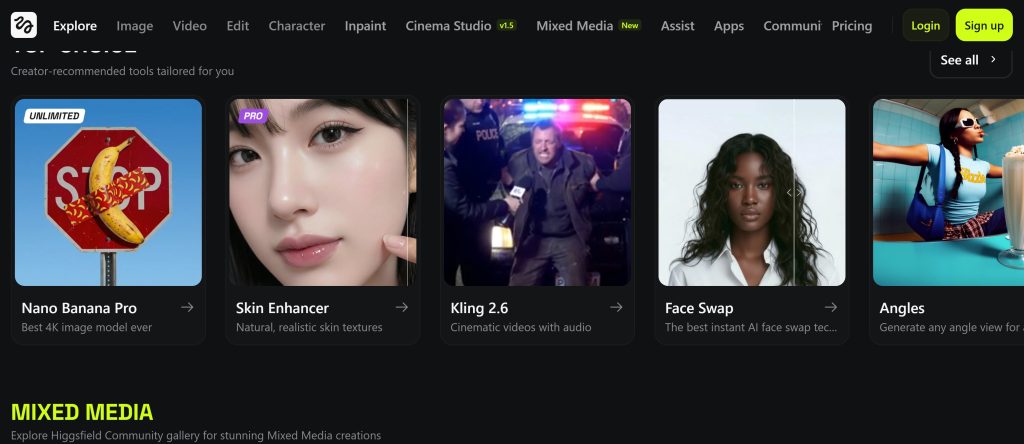
If Synthesia is the boardroom suit, Higgsfield AI is the creator hoodie: built for speed, iteration, and the ruthless economics of the social feed. The company positions itself as an AI video platform for creators and social media teams, with a sprawling menu of presets and workflows that feel less like “generate one avatar” and more like “ship content like software.” Its site foregrounds features like lip-sync tools, a “Soul ID” character creator, and a library of effects, transitions, and camera controls aimed at producing ready-to-post clips fast rather than obsessing over perfect human realism in a static frame.
What makes Higgsfield relevant in an avatar roundup is the way it treats “character” as a reusable production asset. Instead of thinking in terms of one pristine digital twin, you get a toolkit designed to crank out variations: different angles, styles, scene setups, and ad-ready formats. That matters because the modern content machine does not reward a single great video. It rewards a dozen versions of a good one, deployed across platforms, audiences, and time zones.
And Higgsfield is not just another scrappy tool living off vibes and viral demos. According to TechCrunch, the startup said it reached a $1.3 billion valuation, with over 15 million users and a claimed $200 million annual revenue run rate roughly nine months after launch, emphasizing use by professional social media marketers rather than casual “AI slop” posting. Those numbers are as much a signal as they are a flex: this category is rapidly becoming marketing infrastructure, not a novelty feature.
Best for: social teams, agencies, and creators who need repeatable output and “post-ready” formats more than museum-grade photorealism.
Tradeoff: the more you optimize for speed and presets, the more you risk a house style that looks like everyone else’s unless you push hard on creative direction.
The Deepfake Ethics Problem Sitting Underneath Everything
We can’t discuss AI avatar generators without acknowledging the obvious: these are deepfake tools. The same technology that lets you create a helpful training avatar also lets someone create a fake video of you saying things you never said. Every platform I tested includes identity verification and usage restrictions, but enforcement varies dramatically.
Synthesia and HeyGen require video selfie verification before you can clone someone’s appearance. D-ID and Elai have similar policies but less rigorous implementation. Open source tools have no restrictions whatsoever. The regulatory environment remains mostly nonexistent, though the EU’s AI Act includes provisions about synthetic media disclosure that kick in later this year.
The practical implication: if you’re using avatar tools professionally, assume someone will eventually use similar tools against you. Consider that when deciding how much of your real appearance to encode into these systems.
Which Tool Actually Fits Your Situation?
Solo creators on a budget should start with HeyGen’s $29 tier. The quality suffices for YouTube, LinkedIn, and most social media contexts. Upgrade to Synthesia only if clients specifically demand higher realism or you’re producing premium content where visual quality directly impacts revenue.
Enterprises building training programs should evaluate Colossyan first, then Synthesia. The localization features in Colossyan often eliminate the need for separate translation vendors, which more than covers the platform’s cost. Synthesia makes more sense for companies producing external marketing content where brand image matters enormously.
Developers integrating avatar features into applications should default to D-ID’s API unless they need real-time streaming, in which case Tavus provides the most mature implementation.
Gamers and VR users exist in a completely different category. Stick with Ready Player Me for cross-platform compatibility or Avaturn for higher customization. These tools aren’t competing with Synthesia and HeyGen because they serve fundamentally different use cases.
Marketing teams needing workflow automation should seriously evaluate Elai.io if they want CRM-triggered production that behaves like a sales ops feature, not a creative project. If they live in short-form performance marketing and need a steady stream of ad-ready variants, Higgsfield is the more honest fit. And if the goal is a consistent animated host that can carry explainers without triggering the uncanny valley, SJinn is the fastest path from script to something watchable.
The honest answer, though, is that most people should probably wait six more months. Avatar tech is improving fast enough that today’s premium tiers will feel like tomorrow’s starter plans, and the competitive edge will shift from “who has the best face” to “who has the least friction.” In other words, the winners will not just render realism. They will operationalize it.
But if you’re ready to commit now, at least you know which tools actually deliver on their promises, and which ones are selling futures that don’t quite exist yet. The intersection of AI development and computing infrastructure continues accelerating in ways that make current limitations temporary. Unless you have an urgent business need, patience might be the best strategy.
But if you’re ready to commit now, at least you know which tools actually deliver on their promises. And which ones are selling futures that don’t quite exist yet.
